
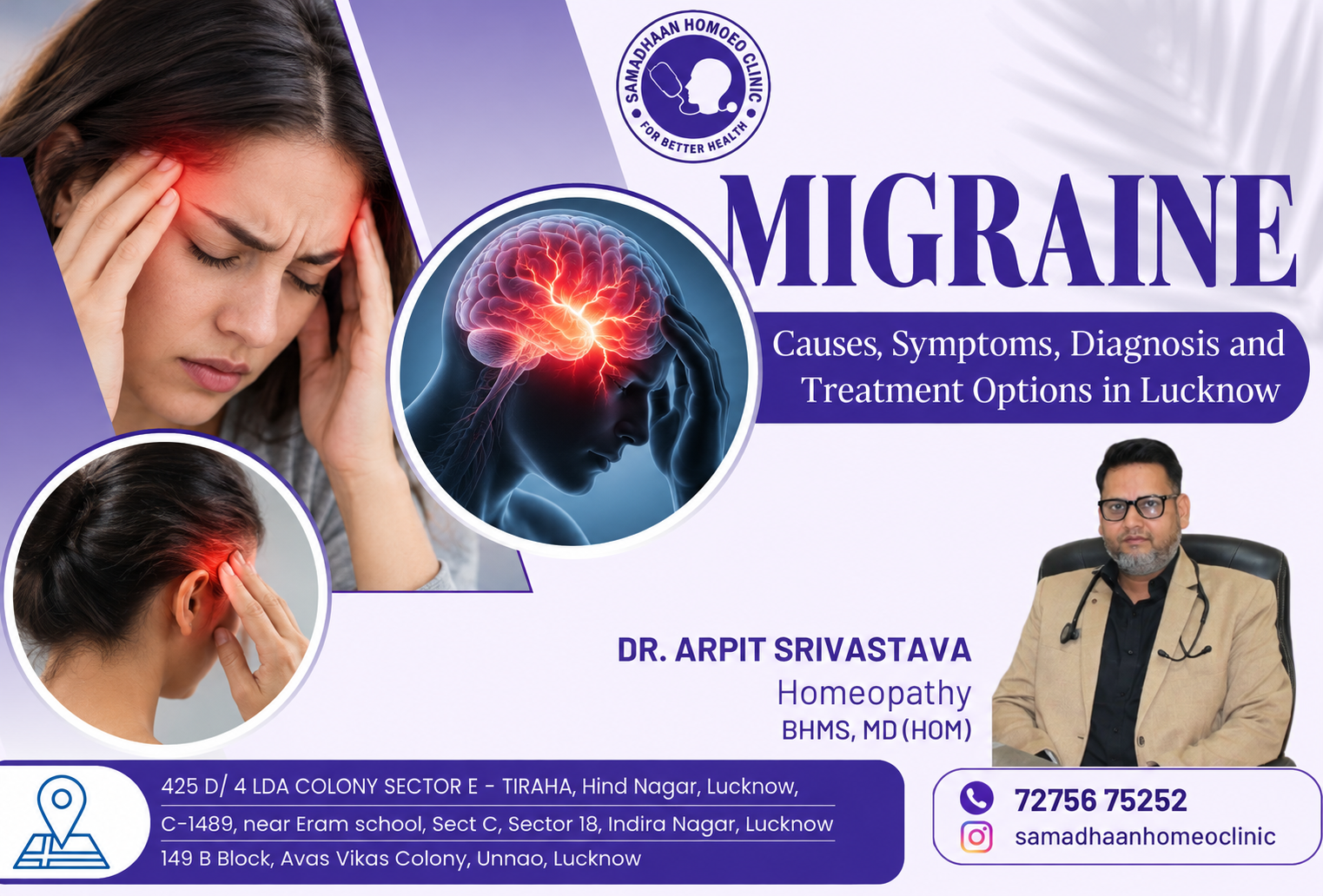
Migraine is more than an ordinary headache. It is a neurological condition that can cause intense head pain, sensitivity to light and sound, nausea, and difficulty carrying out everyday activities. For some people, migraine attacks last for several hours, while others may experience symptoms for a longer period. These episodes can affect work, sleep, family responsibilities, and overall quality of life.
People experiencing recurring headaches often look for migraine treatment in Lucknow to understand why their symptoms occur and how they can be managed. Identifying personal triggers, recognising early warning signs, and receiving an appropriate medical assessment can help people make informed decisions about their health.
Migraine affects individuals differently. Some experience pain on one side of the head, while others feel discomfort across both sides. Certain people notice visual disturbances before a headache begins, whereas others experience nausea, fatigue, or sensitivity to everyday sounds.
At Samdhan Clinic, Dr Arpit Srivastav is associated with homeopathic care. People considering this approach should understand the available medical evidence, the importance of an accurate diagnosis, and the need to discuss treatment options with a qualified healthcare professional. Understanding the condition is an important first step towards finding a suitable management plan.
What Is Migraine and When to Consider Migraine Treatment in Lucknow?
Migraine is a neurological disorder characterised by recurring attacks of headache and other associated symptoms. It can affect people of different ages, although the frequency, severity, and pattern of attacks vary considerably.
Unlike a typical tension headache, a migraine attack may involve throbbing or pulsating pain, often on one side of the head. Physical activity can sometimes worsen the discomfort. Nausea, vomiting, and sensitivity to light or sound are also common.
The exact biological processes behind migraine are complex. They involve changes in nerve signalling and the activity of brain pathways associated with pain. Genetic factors may also influence a person’s susceptibility.
Common Types of Migraine
Migraine can present in several forms, depending on the symptoms and their pattern. Migraine without aura: This is a common form in which a person experiences recurring headaches, often accompanied by nausea or sensitivity to light and sound. Visual warning signs are absent.
Migraine with aura: Some people experience temporary neurological symptoms before or during a headache. These may include flashing lights, zigzag patterns, blind spots, tingling sensations, or difficulty speaking. New or unusual neurological symptoms require medical assessment because they can resemble other serious conditions.
Chronic migraine: This term generally refers to headaches occurring on 15 or more days per month for over three months, with migraine features on at least eight days per month. Migraine without significant headache: Some individuals experience aura or other migraine-related symptoms with little or no head pain. Medical evaluation can help determine the cause. Recognising the type and pattern of symptoms can help a healthcare professional distinguish migraine from other headache disorders.
What Causes Migraine?
There is no single cause of migraine. Instead, several biological, genetic, and environmental factors may contribute to the condition. A person may be more susceptible because of family history, changes in sleep patterns, stress, or hormonal fluctuations. A trigger does not necessarily cause migraine in everyone. Something that precedes an attack in one person may have no effect on another.
Genetic Factors and Migraine Treatment in Hind Nagar
Migraine often runs in families. Having a close relative with the condition may increase a person’s likelihood of experiencing it. However, family history does not mean that someone will definitely develop migraine. Genetic susceptibility interacts with other factors, which helps explain why people with similar family backgrounds may experience very different symptoms.
Stress and Emotional Strain
Stress is a commonly reported migraine trigger. Periods of intense work, emotional strain, anxiety, or a sudden reduction in stress after a demanding period may coincide with an attack. Regular relaxation, appropriate breaks, and consistent sleep routines may support overall headache management. Persistent anxiety or emotional difficulties should also be discussed with a suitable healthcare professional when they affect daily life.
Sleep Disturbances
Too little sleep, excessive sleep, irregular bedtimes, and frequent changes in sleep schedules may contribute to attacks. Maintaining a consistent sleep and wake time can help some people identify and manage their patterns. People who regularly experience poor sleep, loud snoring, or excessive daytime sleepiness may benefit from discussing these concerns with a doctor.
Hormonal Changes
Hormonal fluctuations can influence migraine patterns, particularly around menstruation. Some people notice more frequent or severe attacks at particular points in their menstrual cycle. Anyone experiencing a clear hormonal pattern can record the timing of headaches and discuss it with a healthcare professional. Treatment choices may differ depending on age, medical history, pregnancy status, and other individual factors.
Food and Environmental Triggers
Some individuals report headaches after consuming particular foods or drinks. Skipping meals, dehydration, excessive caffeine, strong smells, bright lights, and loud sounds may also contribute for some people. It is not necessary to eliminate large groups of foods without a clear reason. Keeping a symptom diary can help identify meaningful patterns while avoiding unnecessary dietary restrictions.

Signs and Symptoms That May Need Migraine Treatment in Lucknow
Migraine symptoms can begin gradually or develop relatively quickly. Some people experience a warning phase before the headache, while others notice pain as their first symptom.
Headache and Pulsating Pain
Migraine pain is often moderate to severe and may feel throbbing or pulsating. It can occur on one side of the head, around the forehead, behind an eye, or across both sides. Movement, bending, or routine physical activity may make the discomfort worse. The duration and intensity of each attack can vary.
Nausea and Vomiting
Digestive symptoms are common during migraine attacks. Some people feel nauseated, lose their appetite, or vomit when the pain becomes severe. These symptoms can make it difficult to eat, drink, work, or complete routine activities. Repeated vomiting also increases the risk of dehydration.
Sensitivity to Light and Sound
Ordinary indoor lighting, sunlight, television sounds, or everyday conversations may become uncomfortable during an attack. Some people prefer resting in a quiet, dark room until their symptoms improve. Sensitivity to smells can occur as well. Identifying these experiences can help a doctor understand the pattern of the headache.
Aura and Other Warning Signs
Migraine aura may involve visual changes, tingling, numbness, or temporary difficulty finding words. These symptoms usually develop over several minutes and resolve within about an hour, although patterns vary. A first episode of neurological symptoms, sudden weakness, persistent vision loss, or difficulty speaking should never automatically be attributed to migraine. These symptoms may require urgent assessment.
Fatigue and Concentration Difficulties
Migraine can also affect concentration and energy levels. Some people experience tiredness, frequent yawning, mood changes, or difficulty thinking clearly before or after the headache. Recognising these less obvious symptoms may help people identify the beginning of an attack and seek appropriate advice.
When to Seek Migraine Treatment in Hind Nagar
Recurring headaches deserve medical attention, especially when they interfere with work, education, sleep, or personal responsibilities. A consultation can help determine whether the symptoms are consistent with migraine or another condition.
Consider arranging an assessment if headaches occur frequently or become more intense, pain interferes with normal daily activities, you regularly experience nausea or sensitivity to light, headache patterns change unexpectedly, or you rely on pain-relieving medicines frequently.
People searching for migraine treatment in Hind Nagar should prioritise an appropriate clinical assessment rather than choosing treatment solely on the basis of location or treatment claims.
Warning Signs That Require Urgent Care
Some headaches require immediate medical attention. Seek emergency care if a headache:
- Starts suddenly and reaches extreme intensity within seconds or minutes.
- Occurs with weakness on one side, confusion, fainting, or difficulty speaking.
- Is accompanied by fever and a stiff neck.
- Begins after a significant head injury.
- Occurs with new vision loss or other severe neurological symptoms.
- Is severe and new during pregnancy or shortly after delivery.
A headache that is substantially different from previous episodes should also be assessed promptly.
How Is Migraine Diagnosed?
Migraine is usually diagnosed through a detailed medical history and clinical assessment. There is no single routine test that confirms every case of migraine. A healthcare professional considers the nature of the pain, associated symptoms, duration, frequency, family history, and possible triggers.
Medical History and Symptom Assessment
During a consultation, a doctor may ask when the headaches started, where the pain occurs, how long it lasts, and whether nausea or sensitivity to light accompanies it. Information about sleep, stress, menstruation, current medicines, existing medical conditions, and previous treatments can also be useful. A headache diary is a practical way to record this information. It can include the date, duration, intensity, associated symptoms, possible triggers, and medicines taken.
Physical and Neurological Examination
A clinical examination may include checking blood pressure, vision-related concerns, reflexes, coordination, and other neurological functions when appropriate. The purpose is to look for signs that may suggest another explanation for the headache.
Imaging and Other Tests
Brain imaging, blood tests, and other investigations are not routinely necessary for every person with a typical migraine pattern and a normal examination. However, a doctor may recommend further testing when symptoms are unusual, neurological findings are concerning, or the history suggests another cause. The choice of investigation depends on the individual situation.
Evidence-Based Options for Migraine Treatment in Lucknow
Migraine management depends on the frequency of attacks, severity of symptoms, medical history, and effect on everyday life. Some treatments aim to relieve an attack after it begins, while others aim to reduce the frequency or severity of future episodes. A suitable plan should be discussed with a qualified healthcare professional.
Acute Treatment During an Attack
Acute treatment is intended to relieve symptoms during a migraine episode. Depending on the person’s circumstances, a doctor may recommend appropriate pain-relieving medicines or migraine-specific medicines. The choice depends on factors such as other medical conditions, pregnancy status, interactions with existing medicines, and how frequently attacks occur.
Using pain medicines too often can contribute to medication-overuse headaches. People experiencing frequent attacks should discuss their medication use with a doctor rather than repeatedly increasing doses or combining medicines without advice.
Preventive Treatment
Preventive treatment may be considered when attacks are frequent, disabling, prolonged, or inadequately controlled with acute treatment. Options can include certain prescription medicines and other evidence-based therapies selected according to individual needs. Some preventive treatments may require regular use over time before their benefit can be evaluated. A clinician can explain expected benefits, potential adverse effects, monitoring requirements, and alternatives.
Homeopathy and Migraine: What Patients Should Know
Some people explore homeopathy because they prefer an individualised consultation or are interested in complementary approaches. However, current scientific evidence does not establish homeopathy as an effective treatment for migraine beyond placebo effects. It is important not to assume that a homeopathic preparation can prevent attacks, treat an underlying neurological condition, or replace proven medical care.
Anyone considering a homeopath in Lucknow should discuss their symptoms, existing medicines, and treatment plans openly with their healthcare professionals. They should not discontinue prescribed medication or delay an assessment in favour of an unproven approach.
For persistent or severe symptoms, evidence-based medical assessment remains important. Treatment decisions should be based on reliable information, personal medical circumstances, and a clear understanding of the available options.
Managing Nausea and Discomfort
During an attack, some people find it helpful to rest in a quiet, dimly lit room and take small sips of water if they can tolerate fluids. If nausea prevents drinking, vomiting continues, or symptoms become unusually severe, medical advice is appropriate. A healthcare professional can assess whether additional treatment is needed.
Lifestyle Changes to Support Migraine Treatment in Hind Nagar
Lifestyle adjustments cannot guarantee that migraine attacks will stop, but they may help some people reduce avoidable triggers and establish a more predictable routine.
Maintain a Consistent Sleep Schedule
Try to go to bed and wake up at similar times each day. Avoiding frequent changes to sleep schedules may help people who notice a connection between disrupted sleep and headaches. A relaxing bedtime routine and a comfortable sleeping environment can support better sleep habits.
Eat Regular Meals
Skipping meals or going for long periods without food may trigger headaches in some individuals. Regular meals and suitable snacks, when needed, can help maintain a consistent routine.
There is no single migraine diet that works for everyone. Avoid eliminating foods unless a clear pattern has been identified or a healthcare professional recommends a particular dietary change.
Stay Hydrated
Drink water regularly throughout the day, adjusting intake for weather, activity, and individual medical needs.
Dehydration may contribute to headaches, particularly during hot weather or after physical activity. People with conditions requiring fluid restrictions should follow their clinician’s advice.
Manage Stress
Gentle exercise, breathing exercises, relaxation techniques, and realistic work schedules may help reduce stress for some people. The goal is not to eliminate all stress but to develop habits that support physical and emotional well-being.
Identify Individual Triggers
A diary can help reveal whether attacks occur after particular activities, sleep changes, missed meals, or environmental exposures. Avoid assuming that every factor recorded before an attack is necessarily a cause. Patterns become more useful when they recur consistently over time.
Exercise Regularly as Tolerated
Regular physical activity supports general health and may help some people manage their headache patterns. Start gradually if you have been inactive, and choose activities appropriate for your fitness and medical circumstances. If exercise repeatedly triggers severe headaches, seek medical advice before making major changes to your routine.
Can Migraine Become a Serious Condition?
Migraine is often manageable, but its impact can be significant when attacks are frequent or severe. Repeated episodes may disrupt education, work, relationships, sleep, and emotional well-being.
Chronic migraine can develop in some people, particularly when headaches become increasingly frequent. Frequent use of certain acute headache medicines can also contribute to medication-overuse headaches.
Rarely, migraine is associated with serious neurological complications. However, not every severe headache represents a dangerous condition, and not every headache in a person with migraine is caused by migraine.
A new or unusual headache, particularly one accompanied by neurological symptoms, warrants appropriate assessment. Prompt attention helps ensure that other potential causes are not overlooked.

How a Homeopath in Lucknow Can Support Informed Care
A healthcare professional can review symptoms, consider possible causes, and help determine whether further investigations are needed. They can also explain the benefits and limitations of available treatment approaches.
For people who experience recurring headaches, a consultation may help clarify whether acute treatment, preventive therapy, lifestyle adjustments, or specialist referral is appropriate.
An informed approach should include a discussion of treatment expectations, possible side effects, follow-up arrangements, and symptoms that require urgent care.
People looking for migraine treatment in Lucknow should consider the clinician’s relevant qualifications, the clarity of the medical assessment, and whether the recommended approach is supported by reliable evidence.
Migraine Care at Samdhan Clinic, Hind Nagar, Lucknow
Samdhan Clinic, associated with Dr Arpit Srivastav, is located at 425 D/4, LDA Colony, Sector E Tiraha, Hind Nagar, Lucknow, Uttar Pradesh 226012. The clinic is associated with homeopathic care.
Individuals experiencing recurring headaches can seek appropriate guidance about their symptoms and discuss their healthcare preferences. Before beginning any treatment, it is important to understand what the proposed approach can reasonably be expected to achieve.
For those considering homeopathy, the available evidence should be discussed honestly. Homeopathy has not been established as an effective migraine treatment, and it should not replace necessary medical assessment or evidence-based therapies.
People seeking a homeopath in Lucknow should verify the practitioner’s qualifications and discuss any ongoing medical treatment before making changes to their care.
For severe, persistent, or changing headaches, assessment by a qualified medical doctor is particularly important. Emergency symptoms should be evaluated immediately rather than waiting for a routine clinic appointment.
The clinic’s location in Hind Nagar may be convenient for local residents, but the most appropriate care depends on the person’s symptoms, medical history, and individual treatment needs.
Frequently Asked Questions About Migraine Treatment in Lucknow
1. When should I seek migraine treatment in Lucknow?
You should consider medical evaluation if headaches occur frequently, interfere with daily activities, or are accompanied by nausea, sensitivity to light, or sensitivity to sound. Sudden, severe, or unusual headaches require urgent medical attention.
2. Where can I find migraine treatment in Hind Nagar?
People experiencing recurring headaches in Hind Nagar, Lucknow, can consult a qualified healthcare professional for an appropriate assessment and treatment plan based on their symptoms and medical history.
3. Can a homeopath in Lucknow help with migraine symptoms?
A homeopath in Lucknow may discuss your symptoms and general well-being, but current scientific evidence does not establish homeopathy as an effective migraine treatment beyond placebo. Do not delay evidence-based medical care.
4. What are the common symptoms requiring migraine treatment in Lucknow?
Symptoms that may prompt an evaluation for migraine treatment in Lucknow include throbbing head pain, nausea, vomiting, sensitivity to light or sound, and worsening discomfort during physical activity.
5. Is migraine treatment in Hind Nagar suitable for recurring headaches?
Recurring headaches should be evaluated by a qualified healthcare professional to identify the cause and determine appropriate treatment. Not every recurring headache is a migraine.
6. Can a homeopath in Lucknow recommend lifestyle changes for migraine management?
A homeopath in Lucknow may discuss general wellness habits, but migraine management should be guided by reliable medical evidence. Regular sleep, hydration, consistent meals, and identifying personal triggers may help some people.
7. How long does migraine treatment in Lucknow take to show results?
The time needed to manage migraine varies depending on its frequency, severity, triggers, and the treatment used. A qualified clinician can monitor your progress and adjust the treatment plan when necessary.
8. What should I discuss during migraine treatment in Hind Nagar?
During a consultation for migraine treatment in Hind Nagar, discuss headache frequency, duration, pain intensity, associated symptoms, possible triggers, current medicines, and any changes in your headache pattern.
9. When should I consult a homeopath in Lucknow for migraine concerns?
If you are considering consulting a homeopath in Lucknow, discuss your symptoms and existing treatment openly. Homeopathy should not replace appropriate medical assessment or proven migraine treatments.
10. Can migraine treatment in Lucknow help prevent future attacks?
Appropriate migraine care may help reduce attack frequency and severity. A healthcare professional can recommend preventive strategies based on your medical history, symptoms, and treatment needs.
Conclusion: Choosing the Right Migraine Treatment in Lucknow
Migraine can affect much more than the head, influencing concentration, sleep, productivity, and everyday comfort. Understanding the symptoms, recognising possible triggers, and seeking a timely medical assessment can help people make informed decisions about their care.
People exploring migraine treatment in Lucknow should look for an approach that prioritises accurate diagnosis, realistic expectations, and treatments supported by reliable medical evidence. Lifestyle adjustments may complement appropriate care, but persistent or unusual symptoms should not be ignored.
Samdhan Clinic, associated with Dr Arpit Srivastav in Hind Nagar, is one local option for those interested in discussing homeopathic care. However, homeopathy has not been proven effective for migraine, and evidence-based medical treatment should not be delayed or replaced. The most appropriate next step depends on each person’s symptoms, medical history, and healthcare needs.